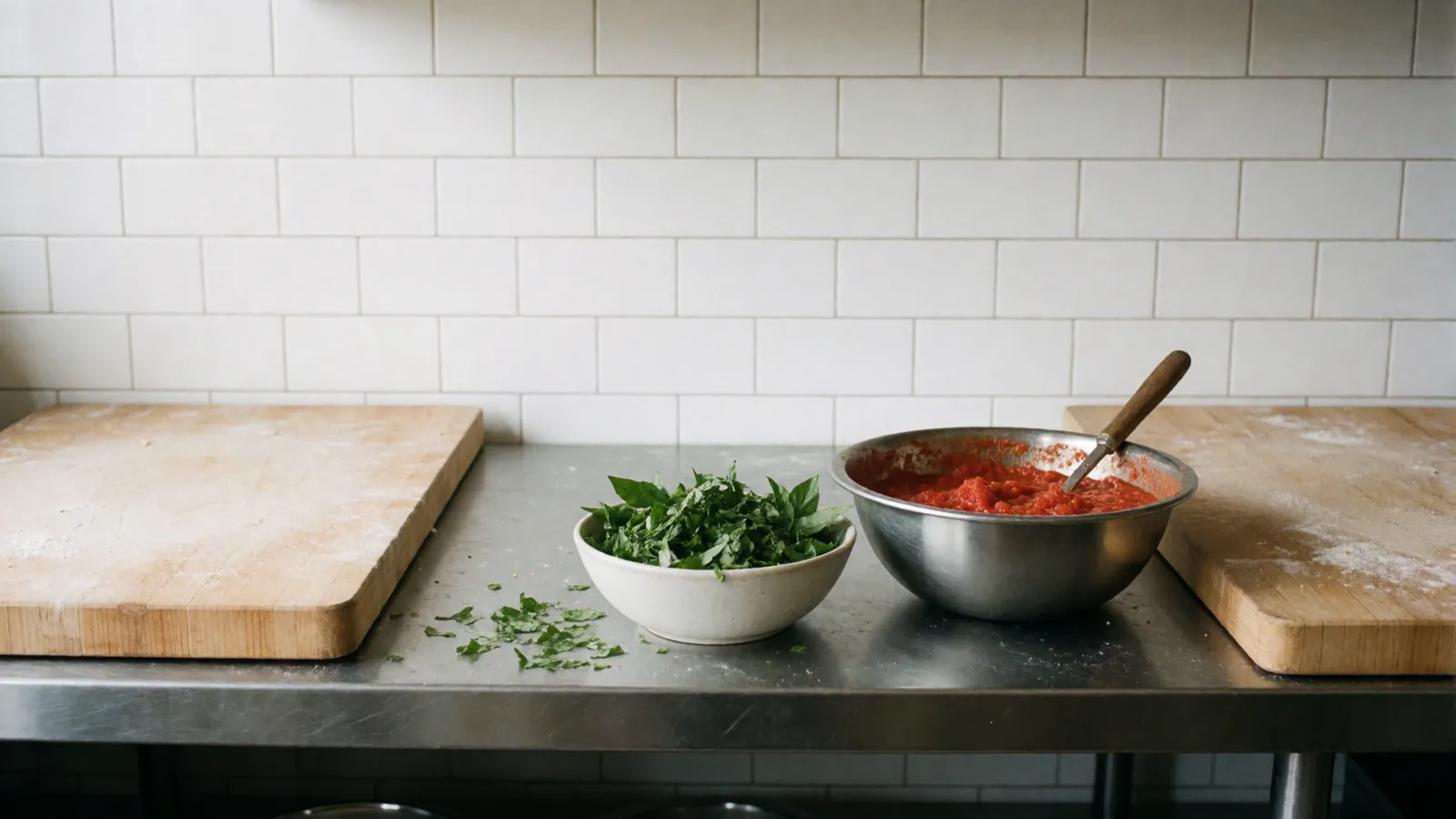
What it is, not whose label is on it
The ingredients
There are about nine things on most of these pizzas. Here is what each of them is, and why we will not tell you which company we buy it from.
A word about brands
Pizzerias name their suppliers constantly, and it is usually a way of borrowing somebody else's reputation. A famous tomato on a menu is doing the same job as a certificate on a wall: it invites you to trust the shop because of a name that is not the shop's.
We hold no certification from any Neapolitan pizza association, we have won no award, we appear in no guide, and we have not been voted anything by anybody. There are no customer reviews or star ratings on this website, because a rating you cannot trace to a real diner is decoration. We name no supplier's brand either: we tell you what an ingredient is, not whose label is on the box.
So this page describes ingredients rather than labels. If you ask at the counter what something is, you will get a straight and specific answer — the variety of tomato, the milk the cheese is made from, the wheat the flour is milled from. What you will not get is a brand name to look up, and that is deliberate.
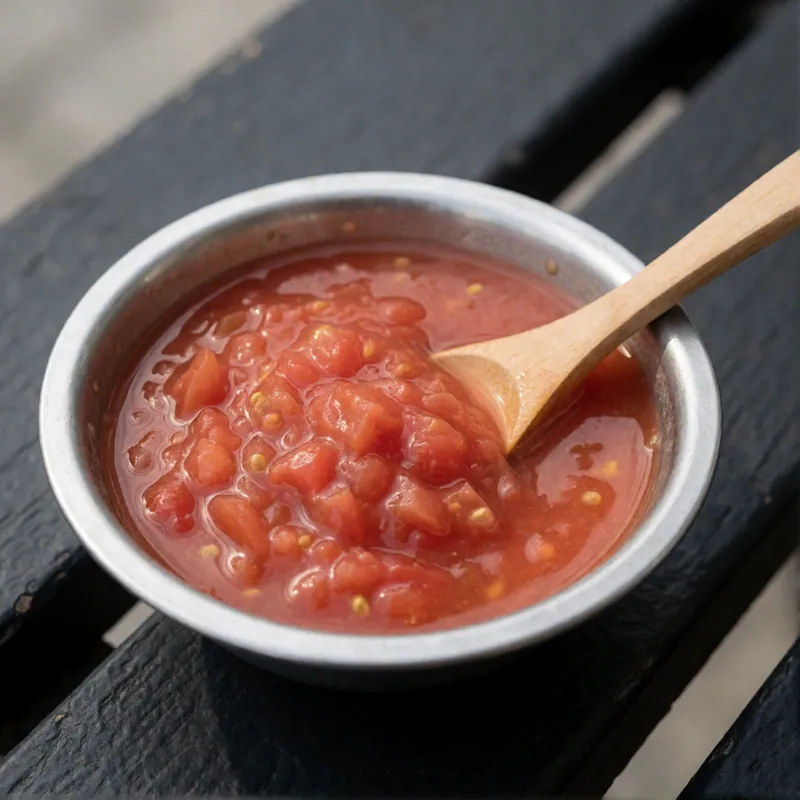
Nine things, described honestly
What is actually on the pizza
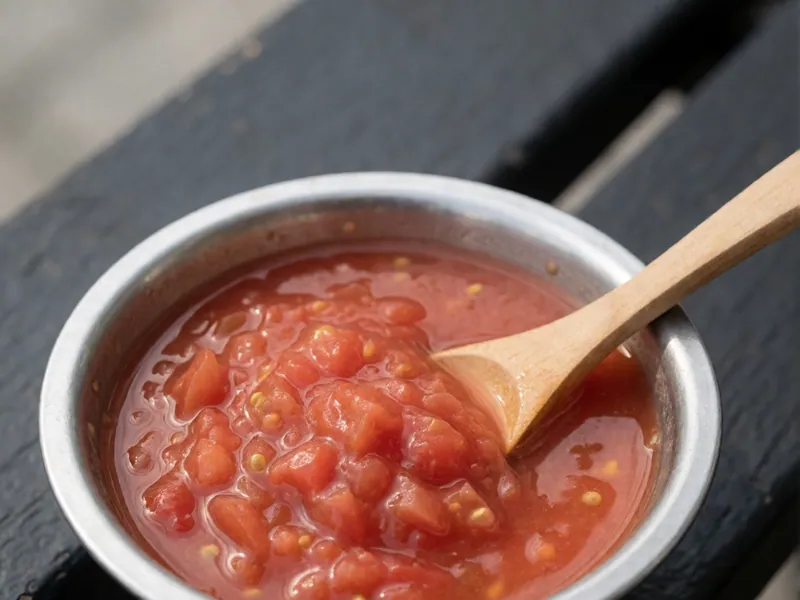
The tomatoes
Whole peeled plum tomatoes of the San Marzano type, crushed by hand each morning with salt and a little dried oregano. Not cooked, and not passed through a machine — a blender aerates a sauce and turns it orange.
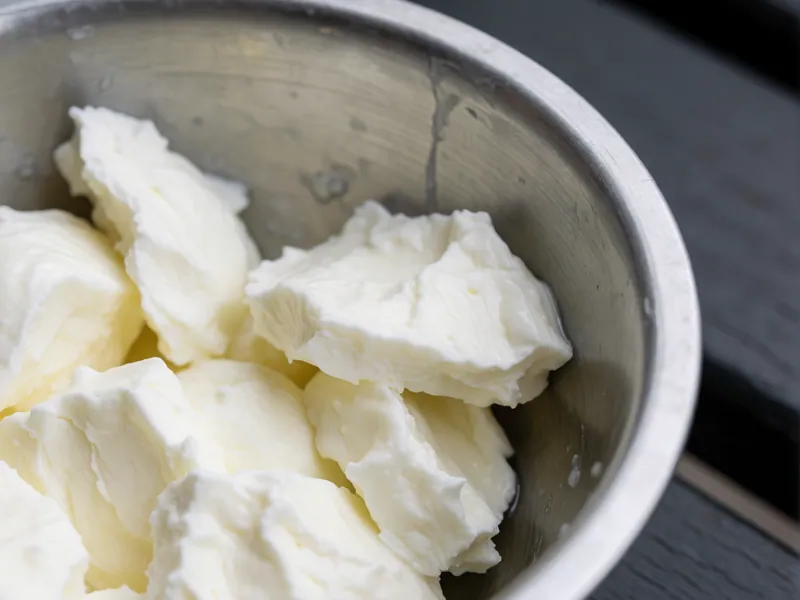
The cheese
Low-moisture whole-milk mozzarella for the round and square pies, shredded here every morning. Fresh fior di latte, torn by hand, for the Neapolitan pies. Whole-milk ricotta drained overnight in a cloth.
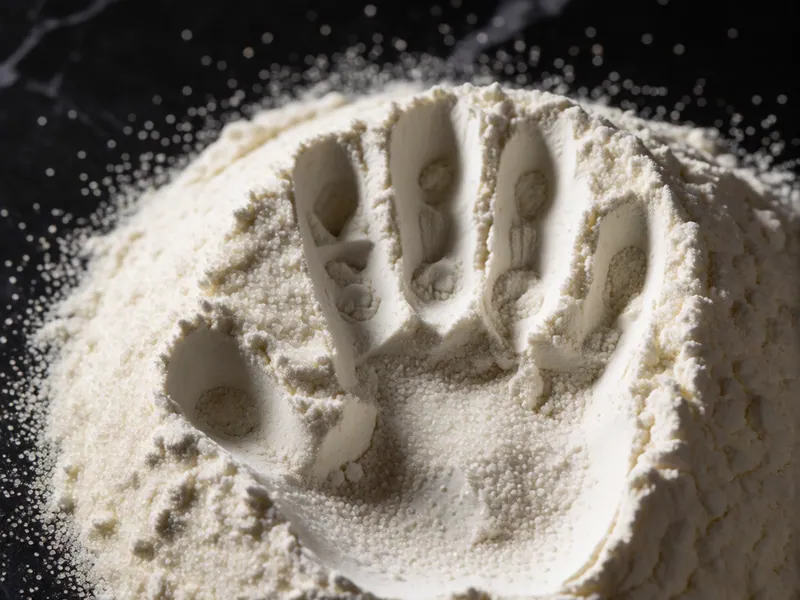
The flour
A high-protein bread flour milled from hard winter wheat for the round pies, a softer blend for the Neapolitan dough, and stone-ground whole wheat blended at forty per cent for the wholewheat crust.
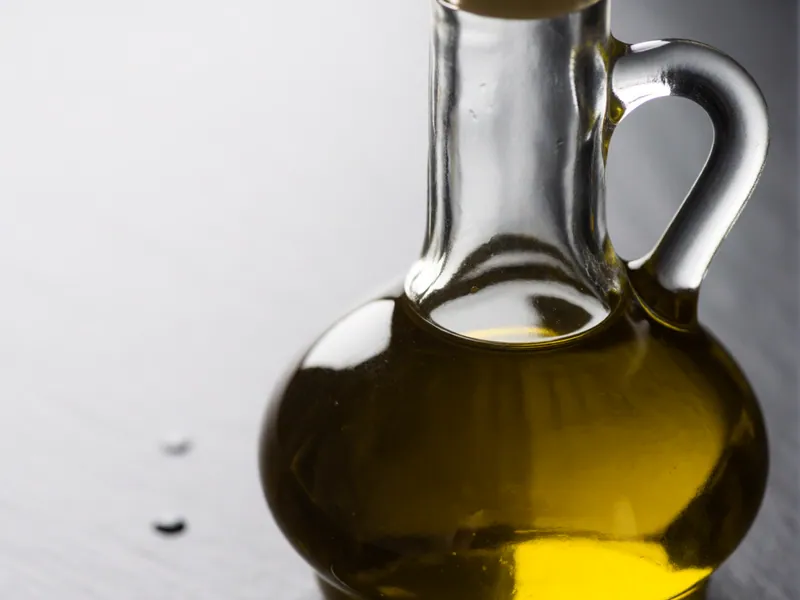
The oil
A everyday olive oil in the dough and the pans, and a peppery extra virgin kept for finishing — the thread over a marinara or a white pizza as it leaves the oven, where you can actually taste it.
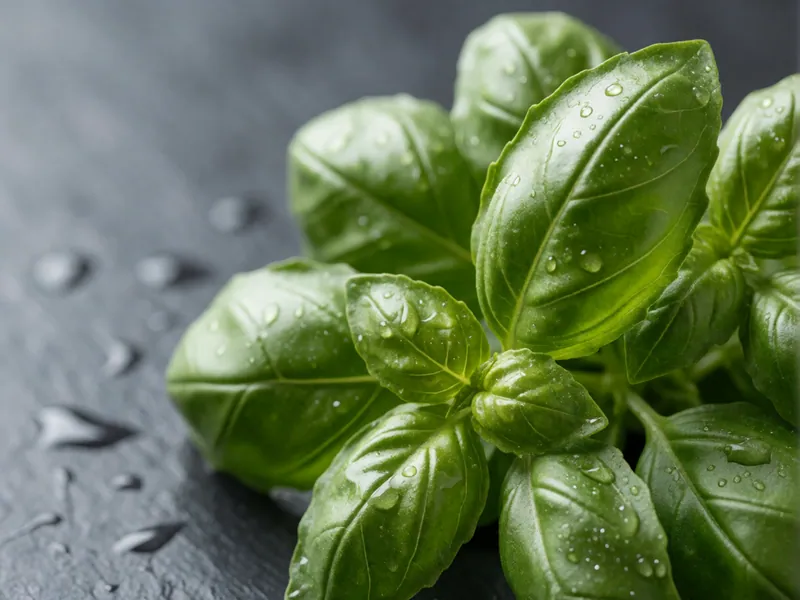
The basil
Fresh, and always after the oven except on the Neapolitan pies, where ninety seconds is short enough that it survives. Basil baked for twelve minutes goes black and tastes of hay.
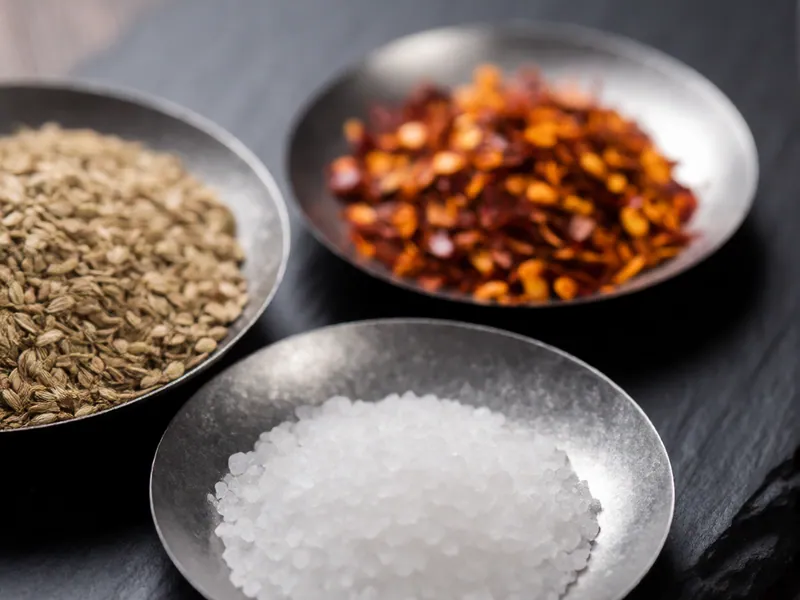
The dry seasoning
Dried oregano, red chilli flakes, coarse sea salt and coarse black pepper. Oregano is the one herb that is genuinely better dried. Pepper goes on after the bake, because in an oven it turns bitter.
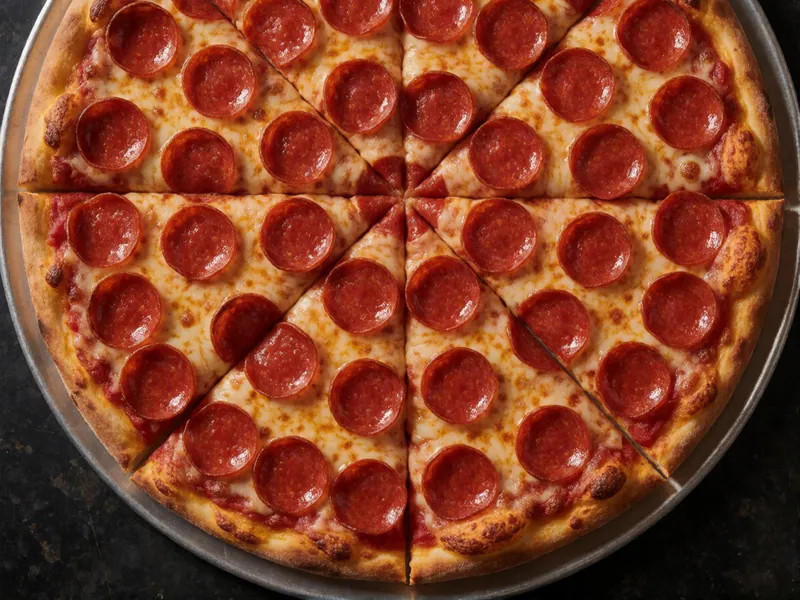
The cured meats
Small-diameter natural-casing pepperoni that cups and chars; soft spicy salami for the diavola; dry-cured ham, capicola and mortadella for the heroes and the stromboli.
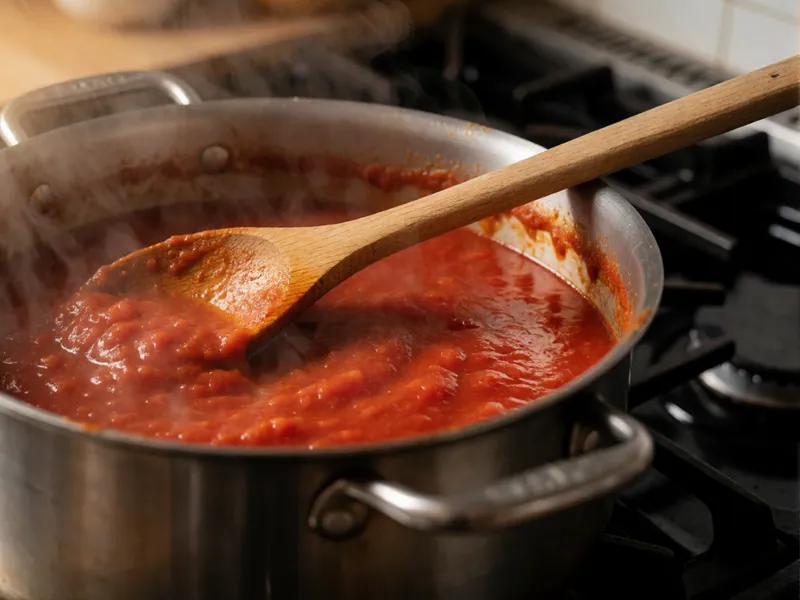
The cooked sauces
Two only. A vodka sauce reduced for forty minutes and made twice a day because it splits if it is held, and a meat ragù for the lasagne and the rice balls.
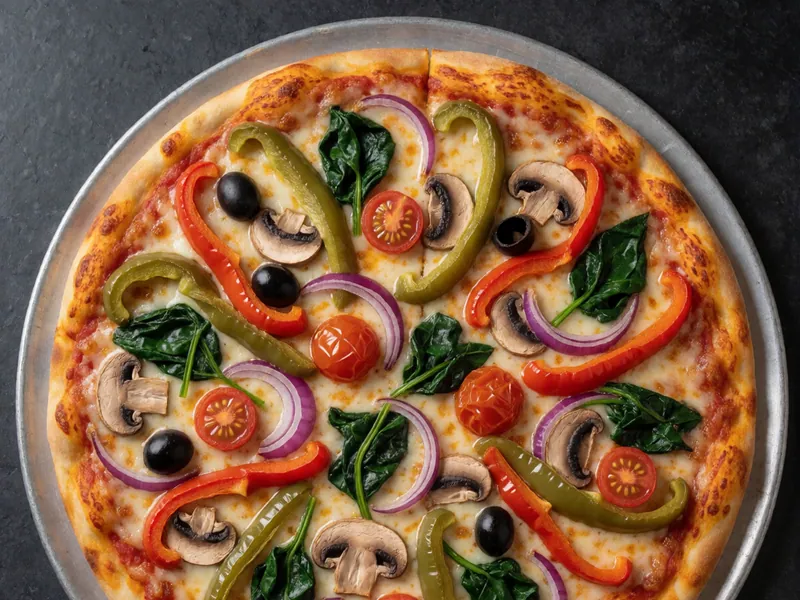
The vegetables
Peppers, onions, mushrooms and cherry tomatoes, roasted hard every morning and cooled before they go anywhere near a pizza. Raw vegetables release their water into the cheese and soften the base.
Two things we will not do
- Claim a protected-designation status for anything. There are tomatoes and cheeses that carry a European protected designation; we buy the variety, not the certificate, and saying otherwise would be a claim on somebody else's authority.
- Tell you an ingredient is local when it is not. Nothing on this pizza is grown in Queens. The bread is baked here and the sauce is made here, and that is the honest extent of it.
Nobody has voted us anything. We hold no certification from any Neapolitan pizza association, we have won no award, we appear in no guide, and we have not been voted anything by anybody. There are no customer reviews or star ratings on this website, because a rating you cannot trace to a real diner is decoration. We name no supplier's brand either: we tell you what an ingredient is, not whose label is on the box.
Asked at the counter
Questions about the ingredients
Why do you not name your suppliers?
Because we are a small shop and naming a producer's brand on a public page is advertising on their behalf, using their reputation to carry ours. We would rather tell you what an ingredient is — whole peeled plum tomatoes, low-moisture whole-milk mozzarella — and let that stand on its own.
Is the tomato sauce cooked?
Not for the pizzas. Crushed plum tomato, salt and a little oregano, used raw, because it cooks on the pizza. The only cooked sauces here are the vodka sauce and the ragù for the pasta.
Do you shred your own cheese?
Yes, every morning. Pre-shredded cheese is dusted with starch or cellulose to stop it clumping, and that coating is a large part of why some pizza goes greasy in the oven.
Where does the flour come from?
A hard winter wheat bread flour for the round pies and a softer blend for the Neapolitan dough. We do not name the mill, for the same reason we do not name anybody else.
Do you use fresh or dried oregano?
Dried, deliberately. Oregano is one of the few herbs that is genuinely better dried — the flavour is more concentrated and it holds up in an oven, which fresh oregano does not.
Is the mozzarella fresh or low-moisture?
Both, for different pizzas. Low-moisture whole-milk mozzarella on the New York and square pies because it browns and stretches; fresh fior di latte on the Neapolitan pies because it is only in the oven for ninety seconds.
Twelve to fifteen minutes, and worth the wait
Order a pie
Telephone the shop and we will tell you honestly how long the kitchen is running before you commit to anything. Collection is always quicker than delivery and the pizza is always better for it. If you are ordering for a crowd, the catering page has the trays and the notice we need.